Spray Foam Insulation in St. Louis, Missouri, and Illinois
Spray Foam Solutions for Drafts, Gaps, and Energy Loss
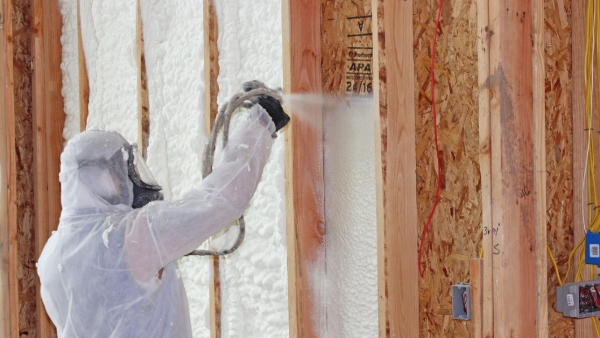
Spray foam insulation can be an effective option when insulation and air sealing need to work together, expanding during application to fill gaps, cracks, framing transitions, and irregular spaces where uncontrolled air movement can reduce comfort and Building Performance. In the right application, it can help reduce drafts, improve temperature consistency, limit energy loss, and create a more controlled building envelope. Goley Insulation installs spray foam in homes, new construction, commercial and multifamily buildings, shops, pole barns, agricultural facilities, and other structures across the St. Louis region, Missouri, and Illinois, with additional support available through The Goley Companies’ nationwide network.
Before recommending spray foam, Goley evaluates the building assembly, existing conditions, project goals, and budget to determine whether it is the right fit or whether another insulation approach would perform better.
When Spray Foam May Be the Right Fit
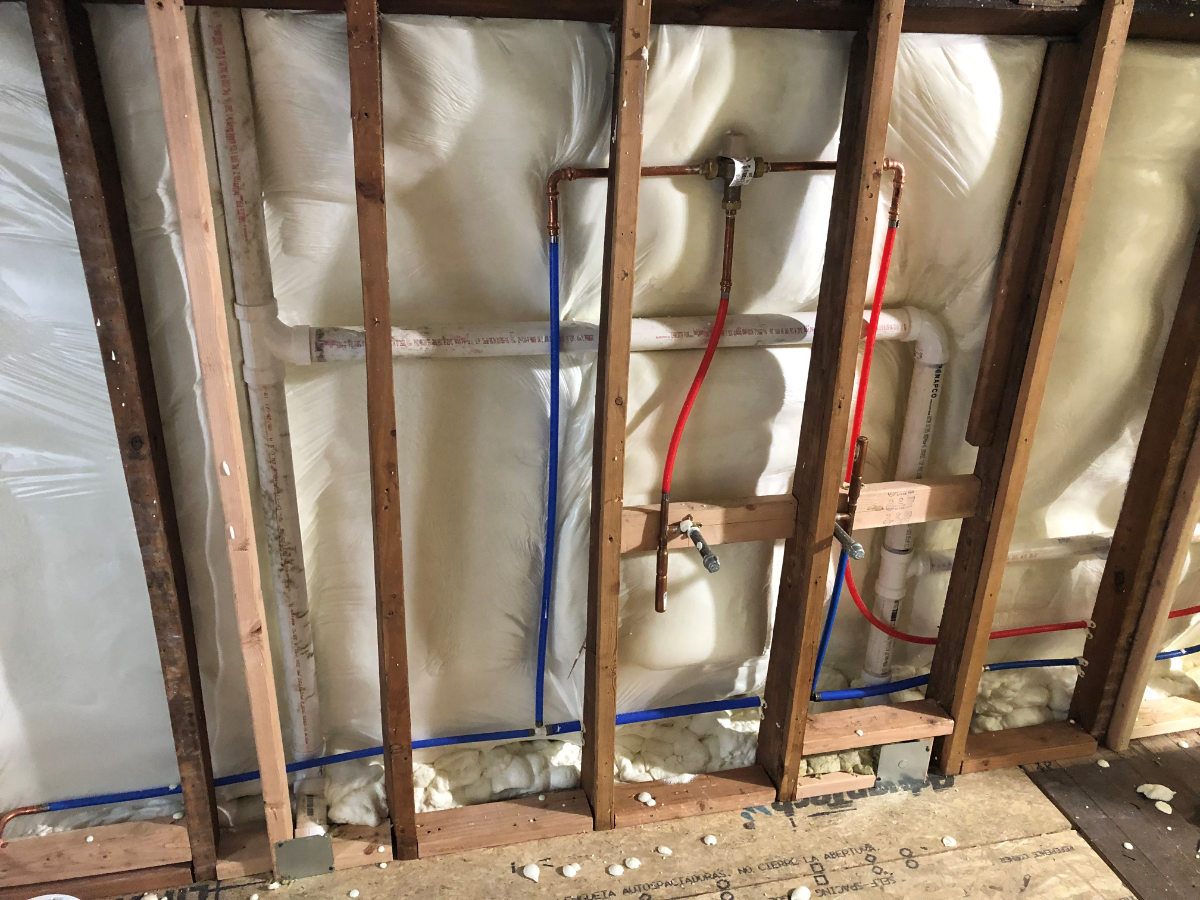
Spray foam is often considered when air leakage is a major part of the problem or when difficult framing, limited depth, and hard-to-reach areas make other insulation materials less effective. Because it provides insulation and air control in the same application, it may be especially useful where gaps, transitions, or irregular spaces contribute to drafts, uneven temperatures, condensation, or energy loss.
Common applications include attics and rooflines, rim joists, crawl spaces, basement areas, exterior walls, bonus rooms, rooms over garages, shops, pole barns, agricultural buildings, and selected commercial or multifamily assemblies.
Spray foam may be a strong option when a project needs to:
-
- Reduce drafts and uncontrolled air movement
- Improve comfort in rooms with uneven temperatures
- Seal difficult gaps and framing transitions
- Improve thermal performance in limited-depth spaces
- Address irregular or hard-to-reach areas
- Support a more controlled building envelope
These conditions can make spray foam worth considering, but the application and product type still need to match the building assembly and project goals.
OPEN CELL VS. CLOSED CELL SPRAY FOAM
Open-Cell and Closed-Cell Spray Foam
Open-cell and closed-cell spray foam serve different purposes. Goley helps determine which product, if either, fits the building assembly and project goals.
Open-Cell Spray Foam
Open-cell foam is lighter and more flexible. It expands to fill irregular cavities, reduce air movement, and support full cavity coverage.
It may be appropriate where air sealing, sound reduction, or flexible cavity fill are priorities. Climate, moisture, ventilation, and surrounding materials still need to be considered.
Closed-Cell Spray Foam
Closed-cell foam is denser and provides a higher R-value per inch. It can offer insulation, air control, and greater resistance to moisture movement in appropriate applications.
It may be used where space is limited, higher thermal performance is needed in a thinner layer, or a more durable material is required, including rim joists, crawl spaces, basement areas, and exposed structures.
The right choice depends on the assembly, moisture conditions, code requirements, and long-term performance goals.
Why Goley Evaluates Before Installing Spray Foams
Spray foam changes how air, heat, and moisture move through a building, so product selection and installation should begin with a careful evaluation. Goley considers the problem being addressed, the location of the work, existing insulation and air sealing, moisture and ventilation conditions, assembly construction, required R-value, available depth, and any fire, code, occupancy, or scheduling requirements.
That evaluation helps determine whether spray foam should be used alone, combined with another material, or replaced by a different approach. Because our team also works with fiberglass, cellulose, mineral wool, air sealing, energy testing, and retrofit solutions, we are not limited to recommending one product. Not every attic should become an unvented assembly, and not every crawl space should receive the same system. The recommendation should reflect the building, the assembly, and the actual performance need.
When spray foam is the right fit, our trained, safety-minded crews install it with attention to preparation, application depth, coverage, consistency, ventilation, curing conditions, and long-term performance. The goal is not simply to apply foam. It is to use the right material, in the right place, for the right reason.
Find the Right Insulation Approach
Spray foam may help reduce drafts, improve temperature consistency, and strengthen air control when it is used in the right application.
Tell us what is not working, what you are building, or what the project needs to accomplish. Goley will evaluate the conditions, explain the available options, and help determine whether spray foam is the right solution for your home, building, or project.